



Comparing Willow Creek's Four Public Recycling Drop-Off Sites: Hours, Accepted Items, and Wait Times
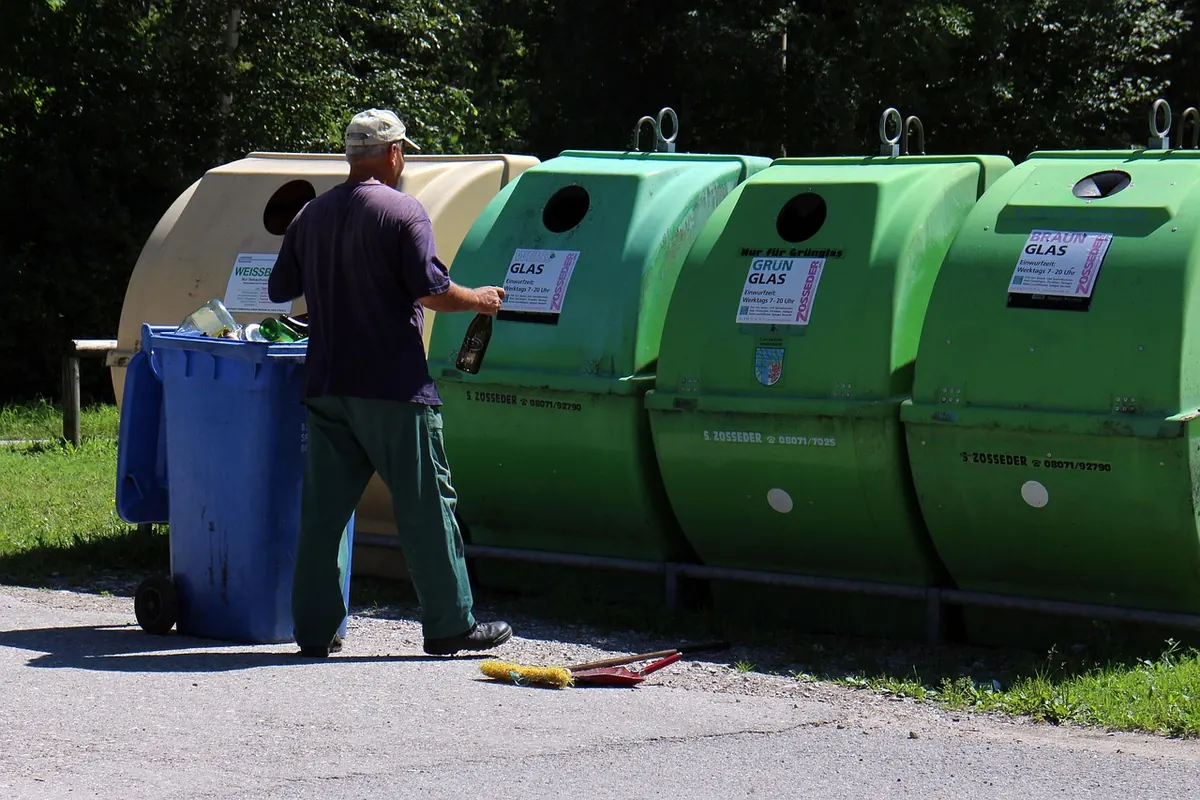
Willow Creek has four public recycling drop-off sites, and no two of them want quite the same things. Show up at the wrong one with a trunk full of cardboard and a crate of glass and you'll either be turned away or spend your Saturday driving across town. The differences come down to three practical questions: what each site is set up to handle, how easy it is to get in and out, and when everyone else has the same idea you did.
What Every Site Takes — and What None of Them Do
All four sites accept the basics: flattened corrugated cardboard, mixed paper and mail, aluminum and tin cans, plastic bottles and jugs, and glass bottles and jars. Everything should be empty, rinsed and loose. Bags are the enemy here, even bags you're just using to carry things in.
What you won't find at any of the four:
- Plastic bags, plastic film, bubble wrap or shrink wrap
- Styrofoam and other foam packaging
- Batteries, electronics, paint, motor oil or yard chemicals
- Food scraps or yard waste
Plastic film is the most common problem at drop-off pads across the region, which is why most programs ask you to keep it out entirely, including the grocery bag you carried your cans in. Some sites also ask for proof of a Willow Creek address, so it's worth having an ID or a piece of mail with you the first time you go. Hours shift seasonally and around holidays, so check the posted schedule before you make a special trip with a full car.
Riverside Transfer Station: The Heavy-Duty Stop
Riverside, on Mill Road at the north end of town, is the site that takes the most. Alongside the standard mix, it handles scrap metal, rigid plastics, used motor oil and the bulky cardboard that comes out of a move or a big appliance delivery. If you're holding something odd and you're not sure where it belongs, this is the site to ask about first.
Hours and access
Riverside is generally open Monday through Saturday, roughly 7 a.m. to 5 p.m. The entry is a wide, two-lane driveway with room to queue off the road rather than in it. Attendants direct traffic, and there's a separate lane for metal and bulky items, so one overloaded trailer doesn't stall the whole line behind it.
When it's busy
Saturday mornings between about 8 and 10 are the peak, mostly people clearing garages and contractors finishing a week's work. Weekday early afternoons are the calmest stretch. Because the lanes are separated by material, even a busy day at Riverside tends to keep moving — you're waiting behind cars, but you're not stuck in the street watching your turn signal blink.
Depot Street and Sunnyside: The Neighborhood Pads
These two exist for small loads. Depot Street sits behind the municipal lot downtown; Sunnyside is the pad beside the neighborhood park on the west side. Both take the standard mix — paper, cardboard, cans, bottles, jugs, glass — and nothing beyond it. No scrap metal, no oil, no bulky items.
Depot Street is the busier of the two because it's genuinely walkable. People arrive on foot and by bike with a tote bag or two, which is exactly what the site was built for. The tradeoff is that the driveway is tight and the containers are tall, so you'll be lifting above shoulder height. If you're hauling more than a couple of boxes, or bringing kids along, it gets awkward fast.
Sunnyside is the quieter, roomier option. It's open mainly on weekends plus a couple of weekday evenings, and the bins sit at ground level with a low lip, which makes it easier on your back. The neighborhood traffic around it picks up on weekday afternoons when school lets out, so late Saturday morning and mid-Sunday are the friendliest windows.
The Fairgrounds Pad: Longest Hours, Longest Lines
The Fairgrounds site on the east side is the one most households use, because it's open daily from early morning until evening and doesn't need anyone on duty. There are self-serve bins for the standard mix, a dedicated cardboard bay, and a separate cage for glass.
That convenience has a cost. Sunday afternoons and the first day or two after a holiday are the worst times to show up: cars back up along the access road, and with no attendant directing traffic, the line moves at whatever pace the person at the front of it sets. The stretch after Christmas and the weeks when students move in and out of rentals are reliably crowded too. Go on a Tuesday morning and you'll likely have the place to yourself.
Timing Your Trip
A little planning saves more time than a faster car. In rough order of usefulness:
- Pick a weekday if you can. Mid-morning to early afternoon, Tuesday through Thursday, is the quietest window at every site.
- Avoid Saturday before 10 a.m. and Sunday after 1 p.m. Those are the two reliably busy blocks in town.
- Wait two days after a holiday. The backlog clears quickly once people are back at work.
- Match the site to the load. A single bag of cans doesn't justify a trip to Riverside; a broken patio chair doesn't belong at Depot Street.
- Check the schedule the same day. Holiday closures and seasonal hour changes are the most common reason people find a locked gate.
Before You Load the Car
Most rejected loads come down to two or three avoidable mistakes. Run through this list in the garage and you'll be in and out in a few minutes:
- Flatten every box. Whole boxes eat space in the cardboard bay and slow everyone down.
- Empty and rinse containers. A half-full jar of pasta sauce contaminates the glass around it.
- Keep glass separate from everything else, and don't mix broken glass into the container bins.
- Leave items loose. No bags, no nesting one container inside another.
- Keep caps and lids with their bottles if your site's signage asks for it, and leave them off if it doesn't — signage varies, so read the bin before you commit.
- Bring an ID or utility bill if it's your first visit, and a pair of gloves if you're handling glass or metal.
A few minutes sorting at home beats an hour re-sorting at the pad. And when you're genuinely unsure whether something belongs in the bin, leave it out — one wrong item can spoil a whole load, and the wrong bin is worse than no bin at all.
Photo: Antranias / Pixabay