Opinion: Willow Creek Needs More Shade Trees Downtown—Here's Where to Start
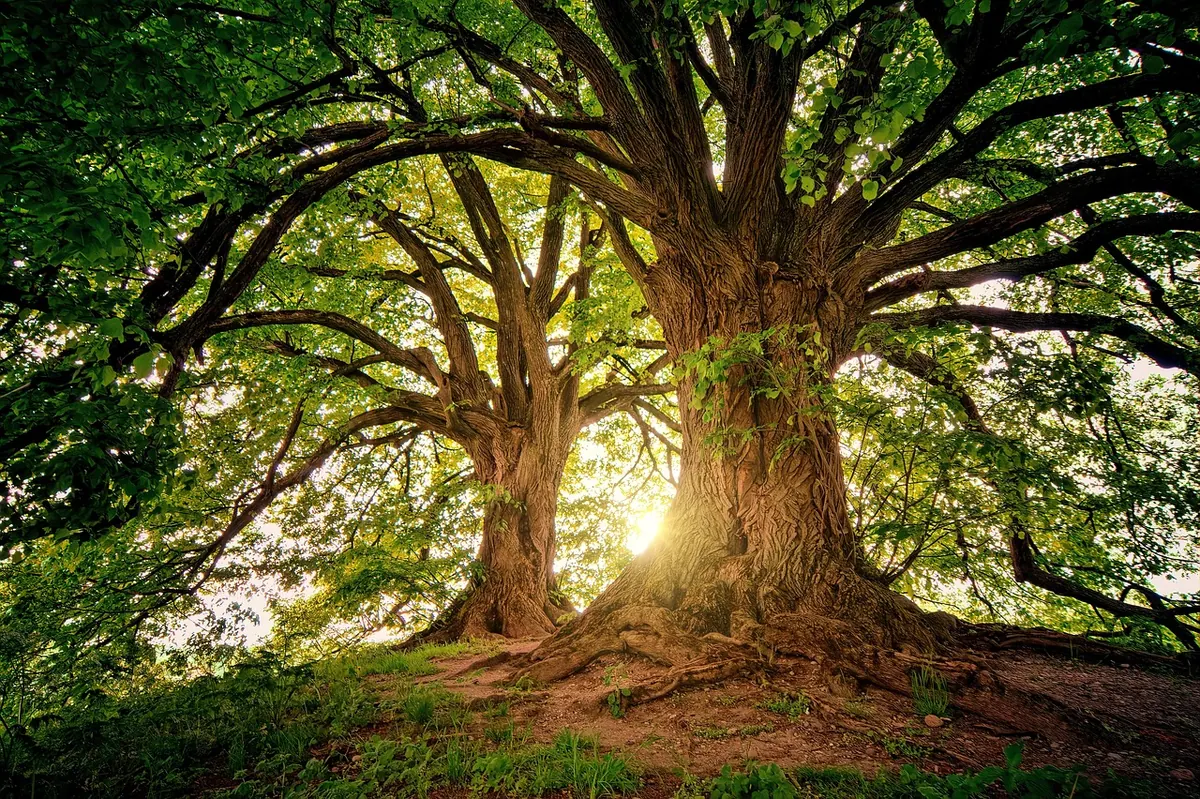
Stand at the corner of Main and Fourth on an August afternoon and the problem is plain. The asphalt throws heat back at you. The benches outside the hardware store sit empty. The one maple in front of the bakery is doing heroic work, but a single tree cannot shade a block, and this one isn't young anymore.
Shade downtown is not decoration. It is infrastructure — as practical as the storm drain, as load-bearing as the sidewalk it stands beside, and considerably cheaper than either. We salt the streets every winter and repaint the crosswalks every spring. We ought to be planting something, too.
This isn't a request for a prettier downtown. It's a request for one that functions in July. And the good news is that the fix is old, affordable, and thoroughly understood. We just have to decide to do it — and then keep it alive for the first three summers.
The Heat Is Not Imagined
Anyone who has walked barefoot across a parking lot in August already knows the physics. Asphalt and concrete absorb sunlight all day and release it slowly, which is why downtown stays hot long after the sun goes down and the rest of Willow Creek has cooled off. On a 92-degree afternoon, pavement in full sun can run forty degrees hotter than the air above it. Shade interrupts that. A canopy that blocks direct sun can keep the surface beneath it twenty to thirty degrees cooler, and the air around it noticeably cooler as well.
That difference is not trivial. It's the difference between a bench someone sits on and a bench nobody touches. Between a walk to the pharmacy and a drive. Between a storefront people pass through and one they linger in front of.
What Shade Actually Buys Us
It's worth being explicit about the return, because tree planting is often filed under "nice to have" and quietly cut in the second round of budgeting. Shade trees downtown do real work:
- Cooler streets. A continuous canopy can lower afternoon air temperatures by several degrees along a block, and the effect compounds as the trees mature.
- Healthier people. Heat exhaustion and heat stroke hit older adults, young children, and anyone working outdoors hardest. Shade is the oldest form of public health we have.
- Better businesses. People shop longer, walk farther, and park farther away when the walk isn't miserable. Retail corridors with trees consistently outperform bare ones.
- Lower bills. Shade on a west-facing window can cut summer cooling costs by double-digit percentages, which matters to every upstairs tenant on Main.
- Longer-lasting pavement. Heat accelerates the aging of asphalt. Shade slows it down.
- Cleaner water. Roots and soil absorb stormwater that would otherwise run off into Willow Creek, carrying oil and grit with it.
- Slower traffic. Drivers naturally ease off on tree-lined streets. This is one of the few traffic-calming measures that costs nothing and looks like nothing.
None of that is a luxury. All of it is something we already claim to want.
Where to Start: Five Places, Not Fifty
The mistake most towns make is announcing a hundred-tree initiative and then planting scattered saplings that nobody waters. A better plan is smaller, more visible, and concentrated where it does the most good. If I had to pick the order, here it is:
- Main Street, Third to Sixth. This is the hottest stretch and the one with the most foot traffic. Priority one, block by block.
- The municipal lot on Elm. Perimeter planting and shaded islands. A parking lot with no shade is a parking lot people avoid.
- The library and community center plaza. Public buildings should be the coolest places in town, not the most exposed.
- Bus stops and benches. Any shelter on a sunny corner needs a tree within fifteen feet of it, or it is a decoration rather than a shelter.
- School routes. Any street a kid walks to Lincoln Elementary in September deserves a canopy. That isn't sentiment; that's attendance and safety.
Right Tree, Right Place
Not every species belongs in a tree well six feet wide. Downtown trees have to tolerate compacted soil, road salt, exhaust, drought, and dogs. Look for large-canopy shade trees with deep, non-aggressive roots and strong disease resistance:
- Honeylocust — fine-textured, tough, tolerant of salt and poor soil.
- Littleleaf linden — dense shade, orderly shape, made for streets.
- Red oak and swamp white oak — slow to establish, then nearly indestructible.
- Kentucky coffeetree — underused, nearly pest-free, handsome in every season.
- Disease-resistant elm cultivars — the trees that made Main Street famous the first time.
Skip the ornamental pears and the weeping everything. We aren't landscaping a patio. We're building a ceiling.
The Maintenance Nobody Budgets For
Here is the honest part. A tree planted in April and forgotten in June is a dead tree by September, and dead trees make people cynical about planting more. Budget for the boring stuff: twenty gallons a week for the first two or three summers, a watering bag, mulch rings that don't volcano up around the trunk, a pruning visit every few years, and a replacement fund for the ones that don't make it. Assume one in ten fails. Plan for it instead of being surprised by it.
How We Pay for It
A two-inch caliper shade tree runs a few hundred dollars. With a properly dug well, amended soil, a water bag, and three years of care, figure roughly $1,200 to $1,800 all-in per tree. Thirty trees costs about what a used pickup truck costs — spread across a decade, that's close to a rounding error in the public works budget.
And we don't have to pay for all of it ourselves:
- Federal and state urban forestry grants exist specifically for this, and small towns routinely leave the money on the table.
- The utility company has a vested interest in shade that shaves the summer peak load.
- A downtown business improvement district could co-fund the Main Street corridor.
- Adopt-a-tree and memorial tree programs work. People will fund a tree in a way they will never fund a drain.
- A volunteer watering brigade — one person per block, one hose, one summer — is worth thousands in avoided replacement costs.
The Objections, and the Answers
I've heard the pushback, and some of it is fair. Leaves in the gutter are real. Roots do lift sidewalks when trees are jammed into wells the size of a shoebox. A canopy can hide a sign or swallow a streetlight.
Those are design problems, not tree problems. Wider planting beds. Root barriers and structural soil. Species chosen so the canopy sits at fifteen feet and above. Careful placement away from signage and fixtures. Every one of these has been solved in a thousand other towns, and none of them costs much compared to repaving a sidewalk that buckled because the soil underneath had nowhere to go.
Someone sits in the shade today because someone else planted a tree long before either of them was born. We are the someone else.
A First Year We Could Actually Do
- Fall: Pass a modest line item. Identify the first ten sites and order the trees.
- Late fall or early spring: Plant them. Fall is better, but either works if we water.
- Summer: Recruit a watering brigade, one block captain at a time. Put a small laminated sign on each tree with its species and its watering schedule.
- Next fall: Plant ten more. Repeat until the walk from Third to Sixth is shaded end to end.
None of this is visionary. It's a sidewalk project with leaves on it. But walk that stretch in ten years, on a hot afternoon, and you'll feel the difference before you can explain it — the air cooler, the benches full, the storefronts a little busier. That isn't a landscaping improvement. That's a town that finally decided to take care of its summers.
The maple in front of the bakery is doing heroic work. It's time we gave it some company.
Photo: jplenio / Pixabay