



How to File a Public Records Request with the City of Willow Creek: A Step-by-Step Guide
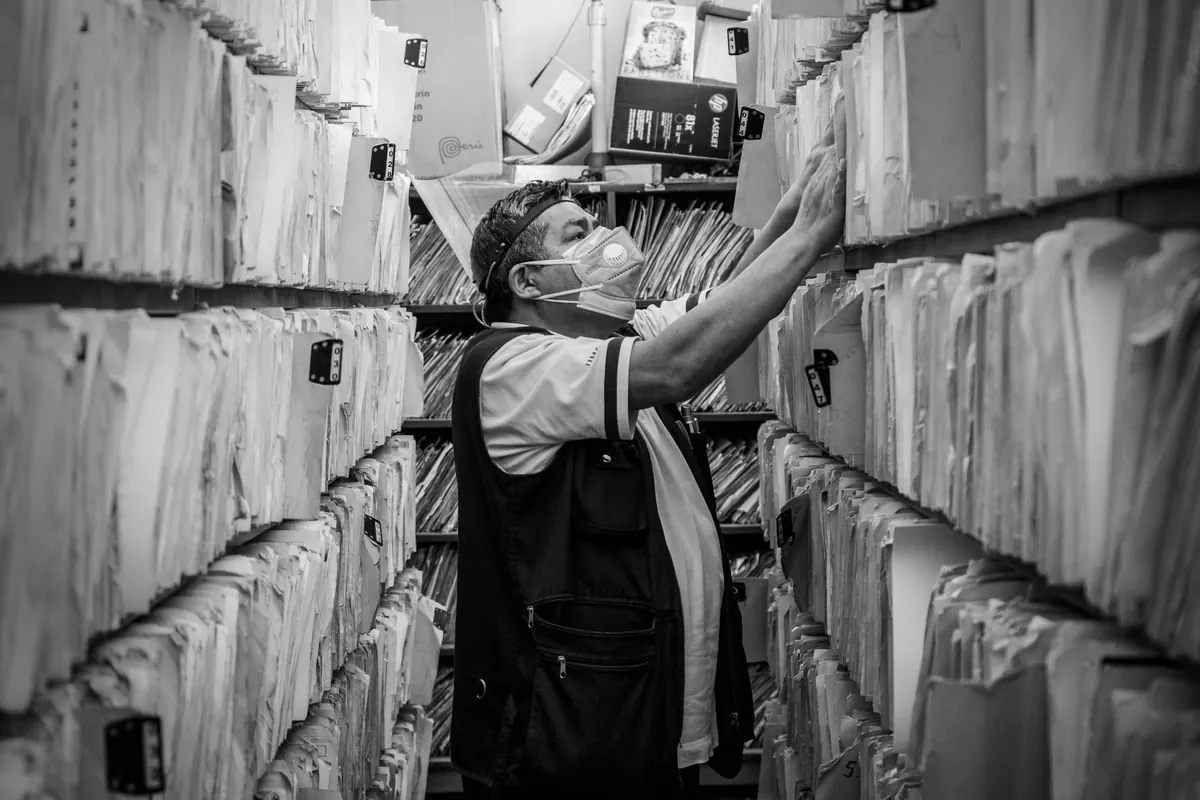
The city's budget. Emails about a new stoplight. Police incident logs. Inspection reports for a downtown building. Most of that material belongs to you, and getting a copy usually takes less time than people expect. The trick is knowing where to send the request, how to describe what you want, and what to do when the answer is slow or incomplete.
What counts as a public record in Willow Creek?
State public records law generally defines a public record as a document or other item made or received by a public agency in connection with official business. That can include emails, memos, reports, photographs, audio recordings, databases, and paper files. Depending on state law and retention rules, it may also include text messages or chat messages if they are used to conduct city business.
Not everything is disclosable. Common exemptions cover certain personnel records, attorney-client communications, active criminal investigations, some preliminary drafts, and private information like Social Security numbers or medical details. When the city withholds something, it should cite the legal exemption and usually release the rest with redactions. If you get a page full of black boxes, ask for a redaction log or exemption index that explains each withholding.
This guide is general information, not legal advice. If your request involves litigation, personnel matters, or a denial you plan to challenge, talk with an attorney who knows your state's public records law.
Before you file: get specific
Broad requests are the most common reason for delay. "All emails about the budget" can cover thousands of messages across several departments. A narrow, well-labeled request is easier to search, cheaper to fill, and harder to deny as burdensome.
Build a useful description
- Name the department or custodian: City Clerk, Police Records, Public Works, Planning and Community Development.
- Use a date range: "Jan. 1 to Mar. 31, 2025," not "last year."
- Identify people, projects, addresses, permit numbers, or case numbers.
- State the format you want: PDF by email, inspection at City Hall, or paper copies.
- Ask for a fee estimate before staff begins a large search.
A strong example: "All emails between the Public Works director and any contractor regarding Main Street repaving from March 1 to May 15, 2025." That gives the city names, dates, a project, and a clear target.
How to submit a public records request
- Find the right office. Most general requests go to the City Clerk. Police reports go to the police records unit. Building and planning files usually stay with the department that created them.
- Use the city's online portal if one exists. It creates a tracking number and a timestamp. If there is no portal, email or deliver a written request and keep a copy.
- Write a clear request. Describe the records, not the answer you hope to find. You do not have to explain why you want them.
- Provide your contact information and preferred delivery method. Email is usually fastest and cheapest.
- Ask for an estimate. If the request is large, ask the city to tell you the projected cost before it starts copying or reviewing.
- Note the date. Save the sent email, portal receipt, or certified mail slip.
A verbal request may work for a single document, but a written request creates a record and a timeline. If you mail it, consider certified mail. If you email, keep the message in a folder you will actually check.
Tracking your request and reading the response
State law sets the response deadlines, and cities may ask for an extension when a request is complex. Check the city clerk's page or the current state statute for the exact timeline. If the deadline passes, send a short follow-up: your request number, the date you submitted it, and a polite request for an update.
Keep a simple log
- Date submitted and method used.
- Request number or tracking code.
- Name and contact information for the staff member who responded.
- Dates of acknowledgment, estimate, partial release, and final release.
- Any exemption cited or explanation for missing records.
If the city says there are no responsive records, ask how it searched: which departments, which keywords, which date range, and which custodians. That question often turns up files that were missed the first time.
Fees, redactions, and common snags
You can be charged for copies, scanning, and sometimes staff time spent searching or reviewing. Fees vary by city and state, so ask for the schedule and an itemized estimate. Electronic copies often cost less than paper. If the estimate is high, narrow the request: shrink the date range, name fewer people, or ask for a summary report instead of every underlying email.
Redactions are common and not automatically a sign of bad faith. But the city should not redact entire documents without explanation. Ask for the specific exemption and whether any portion can be released.
Common snags include:
- Too broad: Add dates, names, subjects, and departments.
- Wrong custodian: The clerk may forward it, but you lose time. Send it to the right office.
- No responsive records: Ask for the search terms and locations used.
- Exemption claimed: Request the legal citation and a redaction log.
"Please provide an itemized estimate before fulfilling this request." That one line can prevent a surprise bill.
How to appeal a denial or a missing response
First, ask for the denial in writing. A clear written denial should identify the exemption and explain what was withheld. Then check the city's appeal process and your state's public records law. Many states provide an administrative appeal to a designated city official or independent agency, and later allow review in court. Deadlines matter, so do not sit on a denial for months.
Write a short appeal: what you requested, when you requested it, what you received, what exemption was cited, and why you believe the exemption is wrong or too broad. Keep emotion out of it. Stick to the record and the law.
If the city still refuses, an attorney can advise on next steps. Some states allow recovery of attorney fees in public records cases, but the rules vary. For a serious dispute, get legal advice rather than trying to argue the case alone.
Practical tips that get better results
- Start narrow and expand only if you need more.
- Use dates, names, and project or case numbers.
- Ask for records in their native format when format matters.
- Be polite. Clerks and records officers juggle many requests.
- Follow up in writing, not just by phone.
- If you need records for a public meeting, file early.
Start with one request
Pick a record you actually want. Maybe it is the email chain about a road project, the inspection report for a rental property, or the police log from a specific night. File the request, save the receipt, and mark the deadline on your calendar. The first request teaches you how Willow Creek handles records, and the next one gets easier. Public records are a civic tool, not a confrontation. Use them steadily, keep good notes, and you will get a clearer view of how local decisions are made.